
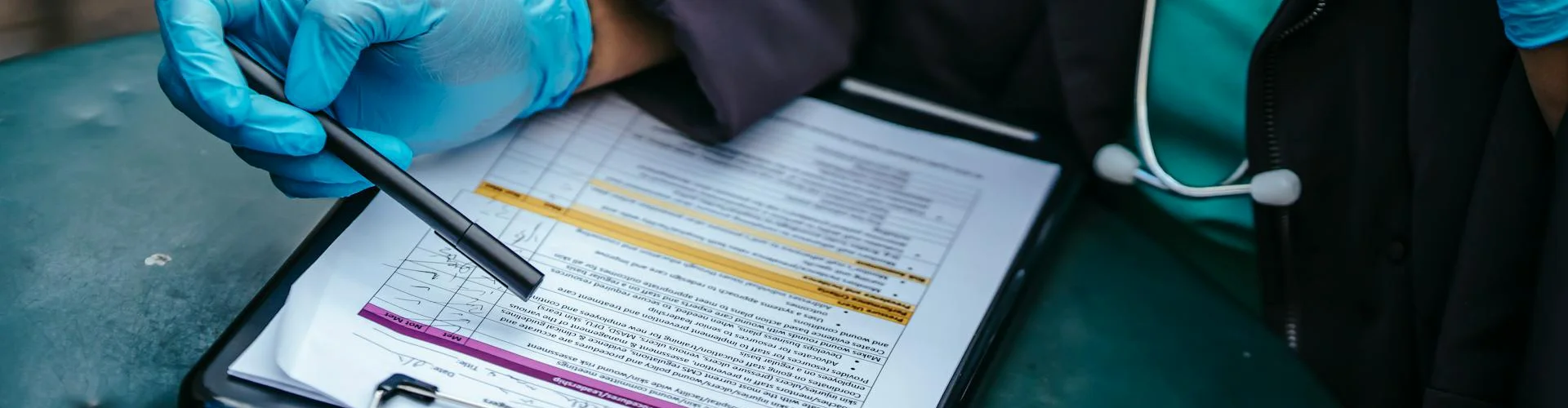
Essential Guide to Securely Disposing of Protected Health Information (PHI) in 2025
HIPAA-compliant shredding is a critical part of protecting patient privacy and staying compliant for any healthcare-related business and even small practices and local offices in communities like Peru, Ottawa, LaSalle, Princeton, and surrounding Illinois Valley towns. HIPAA requires covered entities and business associates to safeguard protected health information (PHI) from creation through final disposal, which means ordinary trash cans, open recycling containers, and unlocked dumpsters are not acceptable for records that contain PHI.
For local providers, the risks are very real: improper PHI disposal can result in federal fines, corrective action plans, local news coverage, loss of patient trust, and costly breach response. This guide explains what PHI is, what HIPAA requires for disposal, what HIPAA compliant shredding looks like in everyday practice, how to think about in-house vs. professional shredding in a smaller market, and how local organizations can choose a secure document destruction partner like IVDD that understands compliance and the realities of operating in and around Peru, IL.
What is Protected Health Information (PHI)?
Protected health information (PHI) is individually identifiable health information related to someone’s health, care, or payment for care that is created or received by a HIPAA-covered entity or business associate. If information can be tied to a specific patient (directly or indirectly) and it relates to healthcare, it is likely PHI and must be protected no matter how small the practice or facility.
PHI covers both electronic data and physical records like paper, labels, and films. For local clinics and offices, this often includes stacks of paper and everyday items that may not look sensitive at first glance, but still qualify as PHI.
PHI in Paper and Physical Formats
Examples of PHI that local healthcare and related businesses commonly handle include:
- Paper medical charts, encounter forms, and progress notes with patient names, dates of birth, and clinical details
- Printed lab reports, imaging results, and discharge instructions generated by local hospitals or reference labs
- Prescription labels, pill bottles, and pharmacy bags with patient identifiers and medication information
- Appointment sign-in sheets, superbills, and routing slips used in waiting rooms and front desks
- Billing statements, insurance claims, and explanation-of-benefits (EOBs) that include diagnoses and procedure codes
Even small piles of old paperwork in a back office or basement storage room can contain PHI that must be protected until it is securely destroyed.
HIPAA Requirements for PHI Disposal
Whether a practice is in downtown Peru or on the edge of a rural community, HIPAA’s disposal rules are the same nationwide. HIPAA requires reasonable safeguards to protect PHI through its entire lifecycle, including final disposal.
Privacy Rule: Reasonable Safeguards for Disposal
The HIPAA Privacy Rule at 45 CFR 164.530(c) requires covered entities to implement appropriate administrative, technical, and physical safeguards to protect PHI, including in connection with its disposal. This means:
- PHI cannot be placed directly in normal trash cans, recycling bins, or open dumpsters
- Staff must follow written procedures for how PHI is collected, stored, and ultimately destroyed
- Local offices must ensure that anyone who handles PHI during disposal—employees or vendors—follows these safeguards
Federal guidance explains that for paper records and similar media, disposal methods must render PHI essentially unreadable, indecipherable, and otherwise cannot be reconstructed. Acceptable methods include shredding, burning, pulping, and pulverizing.
Secure Document Destruction – IVDD’s Solution for PHI Compliance
For most offices and clinics in the Illinois Valley area paper records are still a major source of PHI. Effective PHI disposal focuses on making those records unreadable and unreconstructible.
Shredding (Cross-Cut or Micro-Cut)
Secure document shredding is the most practical method for most local healthcare organizations because it works with everyday workflows and volumes. U.S. Department of Health and Human Services recognizes shredding as an acceptable disposal method as long as documents cannot be read or reconstructed after destruction.
For HIPAA-compliant shredding local providers should avoid basic strip-cut office shredders and instead use:
- Cross-cut shredders that cut paper in two directions, producing smaller pieces
- Micro-cut shredders, which shred documents into even smaller particles for higher security
Cross-cut and micro-cut shredding significantly reduce the risk that someone could piece documents back together, helping meet the unreadable and unreconstructible expectation.
Why Cross-Cut Shredding Is Most Common Locally
For clinics, solo practices, dental offices, and other small businesses in Peru and surrounding local areas, cross-cut shredding usually offers the best balance of security, cost, and convenience:
- Works both in-house and with mobile shredding trucks visiting local sites
- Integrates easily with secure collection bins placed in exam rooms, nurses’ stations, or front desks
- Scales from a few boxes a month to regular weekly pickups across multiple locations
As long as shredded material cannot be reconstructed, cross-cut shredding is a strong way to align with HIPAA’s reasonable safeguards standard for paper PHI disposal.
In-House vs. Professional Shredding Services
Small and mid-sized organizations often ask whether they should buy their own shredders, use a professional shredding service, or combine both. HIPAA allows any of these approaches as long as the disposal method is secure and well-managed.
In-House Shredding: Pros and Cons for Local Offices
In-house shredding typically means one or more office shredders, policies for what goes into them, and staff responsibility for daily shredding.
In-house shredding advantages
- Direct control: PHI never leaves the office before destruction, which can reassure smaller practices.
- Immediate shredding: Staff can shred certain documents right away, reducing the amount stored.
- Predictable equipment costs: A good shredder may be a manageable one-time purchase for low volumes.
In-house shredding disadvantages
- Equipment wear and tear: Lower-cost shredders can quickly burn out when used for the volume of PHI many offices generate.
- Staff time and errors: Busy front-desk or clinical staff may skip shredding or toss PHI into regular trash if they are rushed or poorly trained.
- Inconsistent practices: Turnover and lack of oversight can lead to gaps in how consistently shredding policies are followed.
Benefits of Professional Shredding Services with IVDD
Illinois Valley Document Destruction is proud to serve a 60-mile wide radius from Peru, Illinois and offer secure destruction equipment, locked containers, and standardized processes designed for regulated information like PHI.
Key benefits working with IVDD include:
- Certificates of destruction: After each service, a reputable vendor provides documentation showing what was destroyed and when—helpful for HIPAA documentation and audits.
- Secure chain of custody: Locked consoles, secure trucks, background-checked staff, and defined routes help ensure PHI stays protected from pickup through destruction.
- Capacity for purges: When a small office cleans out years of old records, a professional service can handle dozens of boxes quickly and securely.
- NAID certification: While HIPAA does not require NAID certification, it is a strong sign that a vendor’s practices meet industry standards and can help small local organizations demonstrate due diligence if regulators or patients ask about their destruction process.
Best Practices for HIPAA-Compliant Shredding
Effective PHI disposal in a local setting is not just about equipment; it depends on policies, training, and consistent daily routines.
Employee Training and Written Policies
HIPAA requires organizations to train their workforce on privacy and security policies, including how PHI should be disposed of. Best practices include:
- Clear, written policies that explain which documents count as PHI and must be shredded
- New-hire and annual training that covers proper use of shred bins and what must never go into regular trash
- Simple, visual reminders posted near copiers, printers, and front desks to point staff to secure bins
Secure Storage Before Destruction
Even if destruction happens weekly or monthly, PHI must be stored securely while awaiting shredding. For local offices, this often means:
- Locked, labeled shred consoles located where PHI is generated (front desk, nurses’ station, billing office)
- Restricted access rooms or closets for boxes of records waiting for a scheduled purge or pickup
- Regular service schedules to prevent overflow or stacks of PHI sitting in open boxes in hallways or storage areas
This ensures PHI is never left out in open trash containers or unlocked recycling bins behind the building.
Documentation and Logging
Documenting PHI disposal activity helps satisfy HIPAA’s documentation requirements and supports audits and risk assessments. Local organizations often keep:
- Logs or records of shredding dates and volumes (for both in-house and vendor services)
- Certificates of destruction from professional shredders, filed with compliance or office records
- Notes on any special destruction projects, such as clearing out a storage unit or closing a satellite location
This documentation can be especially important for small practices that may be asked to show how they manage PHI through its full lifecycle.
Consequences of Non-Compliance
Even smaller, local organizations are regularly included in HIPAA enforcement actions when PHI is mishandled or improperly discarded. Penalties for non-compliance include but are not limited to:
- Regulatory Fines and Corrective Action Plans
- Civil and Criminal Penalties
- Reputational Damage in a Local Community
Strong PHI disposal practices not only reduce regulatory risk but also help maintain the trust that local patients place in their community providers.
Choosing a HIPAA-Compliant Shredding Service
When a local practice, pharmacy, or business associate decides to work with a shredding partner, choosing the right vendor is key to building a reliable PHI disposal program.
What to Look for in a Local Vendor
When evaluating a secure document destruction provider in the Illinois Valley, consider:
- Experience with healthcare: Familiarity with PHI, HIPAA requirements, and typical healthcare workflows
- Security practices: Locked collection containers, secure transport, employee background checks, and controlled access to shredding facilities
- Documentation: Certificates of destruction, clear service records, and written procedures that align with your policies
- Flexibility for local needs: Ability to support both recurring scheduled pickups and one-time purge projects for old records
Ask for sample documentation and talk through how they handle chain of custody from your office to final destruction.
Conclusion: A Local Path to PHI Disposal Compliance
For healthcare providers and professional service businesses, HIPAA-compliant shredding is both a legal requirement and a key part of maintaining community trust. By combining strong internal policies, staff training, secure storage, and either well-managed in-house shredding or a vetted professional shredding partner – like IVDD, local organizations can protect PHI from the exam room to the shred truck.
A practical next step is to audit your current PHI disposal process: walk through your offices, look at where paper and other PHI accumulate, review your retention policies, and determine whether your shredding or destruction practices truly make PHI unreadable and unreconstructible. Partnering with IVDD, we can make compliance simpler and more reliable for years to come.